
Introduction
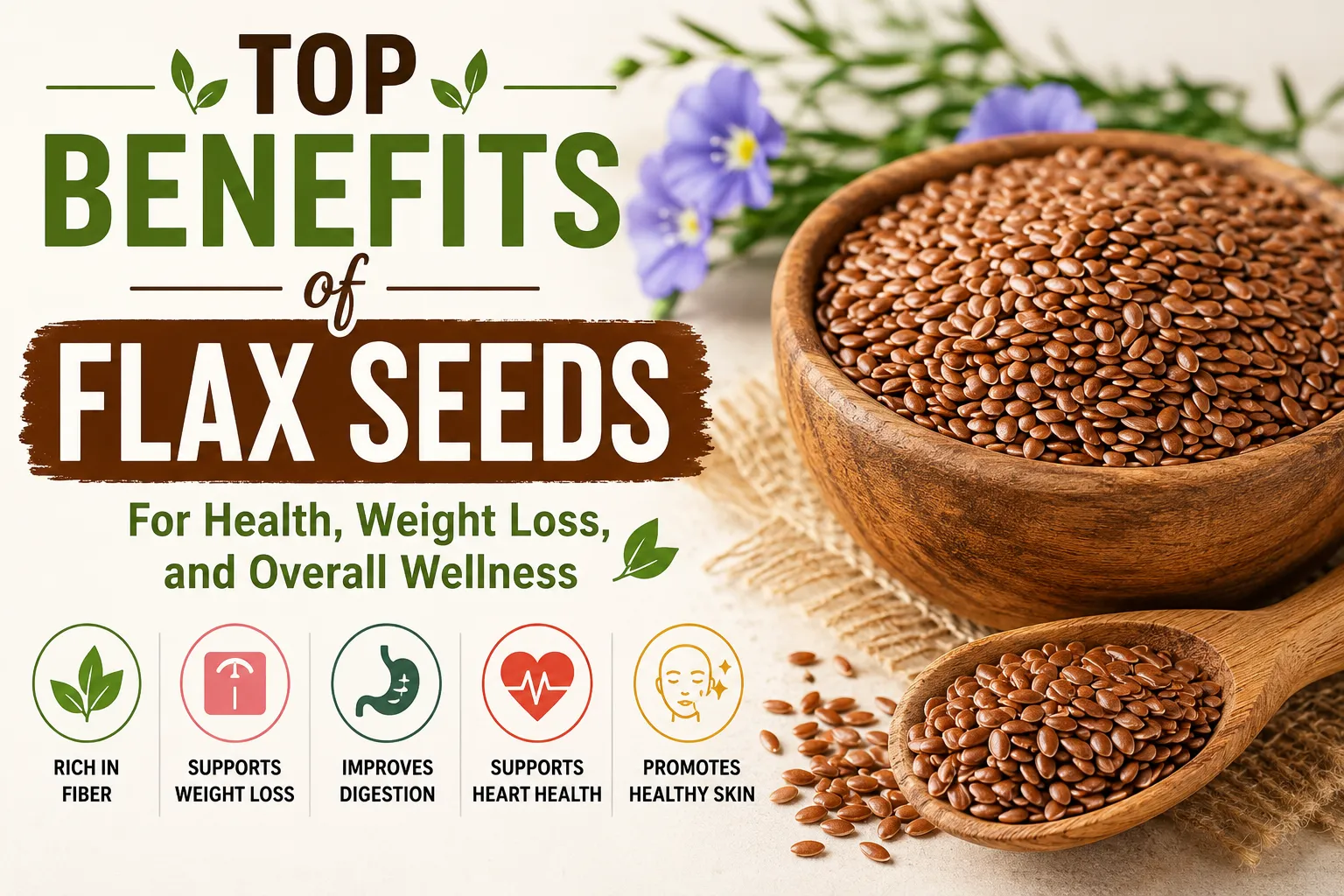
Benefits of flax seeds have gained significant attention in recent years due to their impressive nutritional profile and potential health advantages. These tiny seeds are packed with fiber, omega-3 fatty acids, plant-based protein, and antioxidants that support overall wellness.
From promoting healthy digestion and heart health to supporting weight loss, flax seeds can be a valuable addition to a balanced diet. In this article, we will explore the top benefits of flax seeds, their nutritional value, and the best ways to include them in your daily routine.
Similar to chia seeds, flax seeds are rich in fiber and omega-3 fatty acids.
What Are Flax Seeds?
Flax seeds are small, brown or golden-colored seeds that come from the flax plant (Linum usitatissimum). They are considered a superfood because they are packed with fiber, omega-3 fatty acids, protein, vitamins, and minerals that support overall health.
For centuries, flax seeds have been used in traditional diets and natural medicine. Today, they are popular among health-conscious people because they may help improve digestion, support heart health, promote weight loss, and provide essential nutrients.
Flax seeds can be eaten whole, ground into flaxseed meal, or added to smoothies, yogurt, oatmeal, salads, and baked foods. Ground flax seeds are generally easier for the body to digest and absorb than whole seeds.
These tiny seeds are especially rich in:
- Dietary fiber
- Omega-3 fatty acids (ALA)
- Plant-based protein
- Lignans (powerful antioxidants)
- Magnesium and phosphorus
Thanks to their impressive nutritional profile, flax seeds have become a popular addition to healthy diets around the world.
Nutritional Value of Flax Seeds:
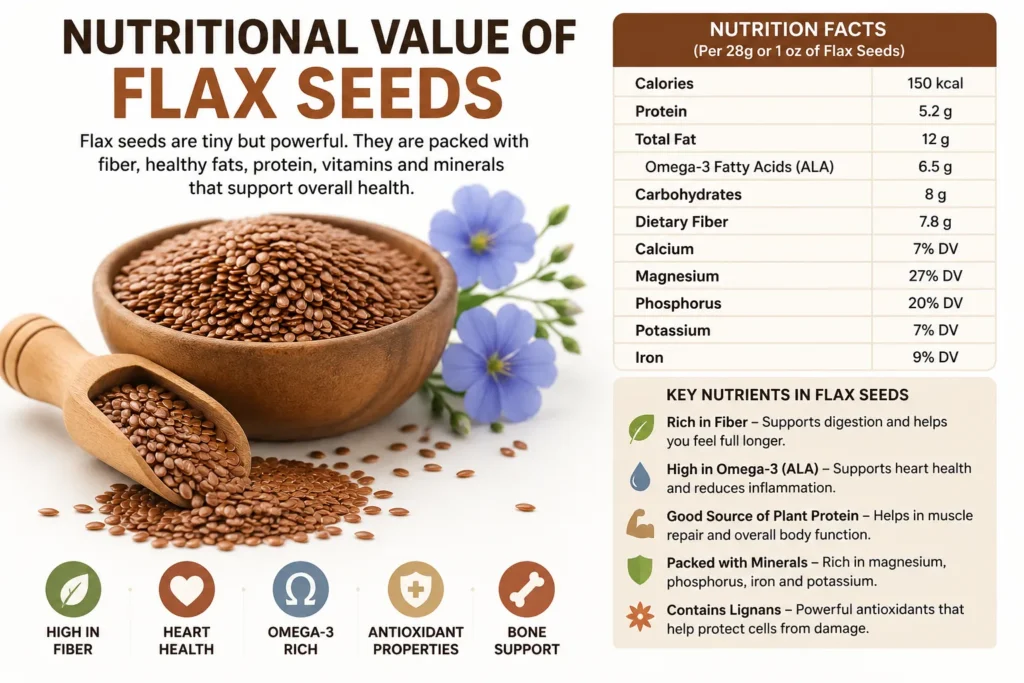
Flax seeds are highly nutritious and provide a wide range of essential nutrients. Just a small serving can add fiber, healthy fats, protein, vitamins, and minerals to your diet.
If you are interested in seed nutrition, you may also want to explore the nutritional value of chia seeds.
Nutrition Facts (Per 28g or 1 oz of Flax Seeds)
| Nutrient | Amount |
|---|---|
| Calories | 150 kcal |
| Protein | 5.2 g |
| Total Fat | 12 g |
| Omega-3 Fatty Acids (ALA) | 6.5 g |
| Carbohydrates | 8 g |
| Dietary Fiber | 7.8 g |
| Calcium | 7% DV |
| Magnesium | 27% DV |
| Phosphorus | 20% DV |
| Potassium | 7% DV |
| Iron | 9% DV |
Key Nutrients in Flax Seeds
Rich in Fiber
Flax seeds are an excellent source of dietary fiber, which supports healthy digestion, promotes regular bowel movements, and helps you feel full for longer.
High in Omega-3 Fatty Acids
They contain alpha-linolenic acid (ALA), a plant-based omega-3 fatty acid that supports heart health and may help reduce inflammation.
Good Source of Plant Protein
Flax seeds provide quality plant protein, making them a great addition to vegetarian and vegan diets.
Packed with Essential Minerals
They are rich in magnesium, phosphorus, iron, and potassium, which play important roles in energy production, bone health, and muscle function.
Contains Powerful Antioxidants
Flax seeds are one of the richest natural sources of lignans, antioxidants that help protect cells from oxidative stress.
Thanks to this impressive nutritional profile, flax seeds are considered one of the healthiest seeds you can include in your daily diet.
Top 10 Benefits of Flax Seeds:
- Rich in Fiber
- Supports Weight Loss
- Improves Digestion
- Supports Heart Health
- Rich in Omega-3 Fatty Acids
- May Help Control Blood Sugar
- Supports Healthy Skin
- May Reduce Inflammation
- Good Source of Plant Protein
- Supports Overall Wellness
How to Eat Flax Seeds:
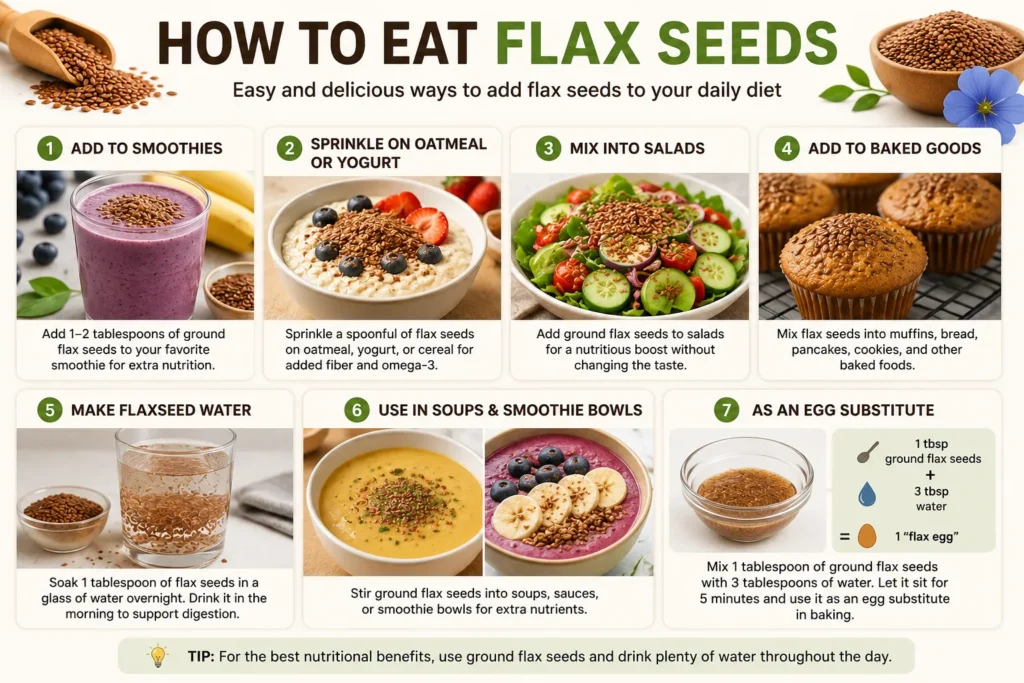
How to eat flax seeds is a common question among people looking to improve their nutrition, digestion, and overall health. Flax seeds are easy to add to your daily diet and can be consumed in several delicious ways. For the best nutritional benefits, many experts recommend eating ground flax seeds because the body absorbs their nutrients more effectively.
How Much Flax Seeds Should You Eat Daily?.
Add Flax Seeds to Smoothies
Sprinkle on Oatmeal or Yogurt
Mix into Salads
Add to Baked Goods
Make Flaxseed Water
Use in Soups and Smoothie Bowls
As an Egg Substitute
1. Add Flax Seeds to Smoothies
Mix 1–2 tablespoons of ground flax seeds into your favorite fruit or protein smoothie. This boosts fiber, protein, and omega-3 fatty acids.
2. Sprinkle on Oatmeal or Yogurt
Add a spoonful of flax seeds to oatmeal, yogurt, or breakfast cereal for extra nutrition and a mild nutty flavor.
3. Mix into Salads
Sprinkle ground flax seeds over salads to increase fiber and healthy fats without changing the taste significantly.
4. Add to Baked Goods
Flax seeds can be mixed into muffins, bread, pancakes, cookies, and other baked foods for a nutritional boost.
5. Make Flaxseed Water
Soak 1 tablespoon of flax seeds in a glass of water overnight. Drink it in the morning to support digestion and hydration.
6. Use in Soups and Smoothie Bowls
Ground flax seeds can be stirred into soups, smoothie bowls, or homemade sauces for added nutrients.
7. As an Egg Substitute
Mix 1 tablespoon of ground flax seeds with 3 tablespoons of water and let it sit for 5 minutes. This creates a “flax egg” that can be used in many baking recipes.
How Much Flax Seeds Should You Eat Daily?
Most adults can safely consume 1–2 tablespoons (10–20 grams) of flax seeds per day as part of a balanced diet. It is also important to drink plenty of water because flax seeds contain a high amount of fiber.
Tip
For maximum health benefits, choose ground flax seeds instead of whole flax seeds, as whole seeds may pass through the digestive system without being fully digested.
Are There Any Side Effects of Flax Seeds?
Flax seeds are generally safe and healthy for most people when consumed in moderation. However, eating excessive amounts may cause certain side effects, especially if your body is not used to a high-fiber diet.
1. Digestive Discomfort
Because flax seeds are rich in fiber, consuming too much at once may cause bloating, gas, stomach cramps, or diarrhea. It is best to increase your intake gradually and drink plenty of water.
2. Allergic Reactions
Although rare, some individuals may experience allergic reactions to flax seeds. Symptoms can include itching, skin rash, swelling, or difficulty breathing.
3. May Interact with Certain Medications
Flax seeds may affect the absorption of some medications. People taking blood-thinning medications, diabetes medications, or blood pressure drugs should consult a healthcare professional before consuming large amounts.
4. Digestive Blockage Risk
Eating large quantities of flax seeds without adequate water may increase the risk of digestive discomfort or blockage, particularly in individuals with digestive disorders.
5. Not Suitable for Everyone
People with specific medical conditions or food allergies should seek medical advice before making flax seeds a regular part of their diet.
Final Thoughts
For most healthy adults, consuming 1–2 tablespoons of flax seeds daily is considered safe and beneficial. When eaten as part of a balanced diet, flax seeds can provide valuable nutrients and numerous health benefits with minimal risk of side effects.
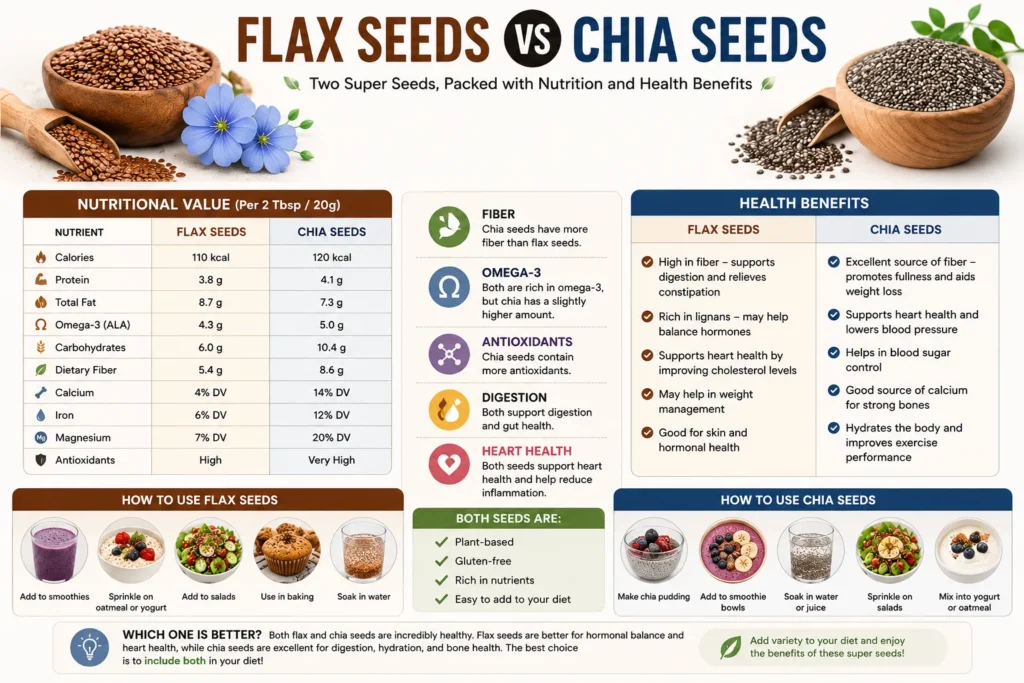
You can also compare flax seeds with chia seeds to choose the best option for your health goals.
Conclusion
The benefits of flax seeds make them one of the most nutritious foods you can add to your daily diet. Rich in fiber, omega-3 fatty acids, plant-based protein, and antioxidants, flax seeds support digestion, heart health, weight management, and overall wellness.
Whether you add them to smoothies, yogurt, oatmeal, or baked goods, flax seeds are an easy and versatile way to boost your nutrient intake. For the best results, consume ground flax seeds in moderation as part of a balanced diet and healthy lifestyle.
By including flax seeds in your daily routine, you can take a simple yet effective step toward better health and long-term well-being.
FAQ About Flax Seeds
1. What are flax seeds?
Flax seeds are small brown or golden seeds that are rich in fiber, omega-3 fatty acids, protein, and antioxidants. They are considered one of the healthiest plant-based foods.
2. What are the main benefits of flax seeds?
The main benefits of flax seeds include improved digestion, better heart health, weight management support, reduced inflammation, and a good supply of essential nutrients.
3. Is it better to eat whole or ground flax seeds?
Ground flax seeds are generally better because the body can absorb their nutrients more effectively. Whole flax seeds may pass through the digestive system without being fully digested.
4. How much flax seeds should I eat per day?
Most adults can safely consume 1–2 tablespoons (10–20 grams) of flax seeds daily as part of a balanced diet.
5. Can flax seeds help with weight loss?
Yes. Flax seeds are high in fiber and protein, which can increase feelings of fullness, reduce hunger, and support healthy weight management.
6. What is the best time to eat flax seeds?
Flax seeds can be eaten at any time of the day. Many people prefer adding them to breakfast meals such as oatmeal, yogurt, or smoothies.
7. Can I eat flax seeds without soaking them?
Yes. Ground flax seeds can be eaten directly without soaking. However, drinking enough water is important because flax seeds contain a high amount of fiber.
8. Are there any side effects of flax seeds?
Eating excessive amounts may cause bloating, gas, stomach discomfort, or diarrhea. Consuming flax seeds in moderation and staying hydrated can help prevent these issues.
9. Can flax seeds be eaten every day?
Yes. Flax seeds can be safely included in a daily diet when consumed in recommended amounts.
10. Which is better: flax seeds or chia seeds?
Both are highly nutritious. Flax seeds are particularly rich in lignans and omega-3 fatty acids, while chia seeds provide more fiber and absorb more water. The best choice depends on your dietary goals.