
Introduction
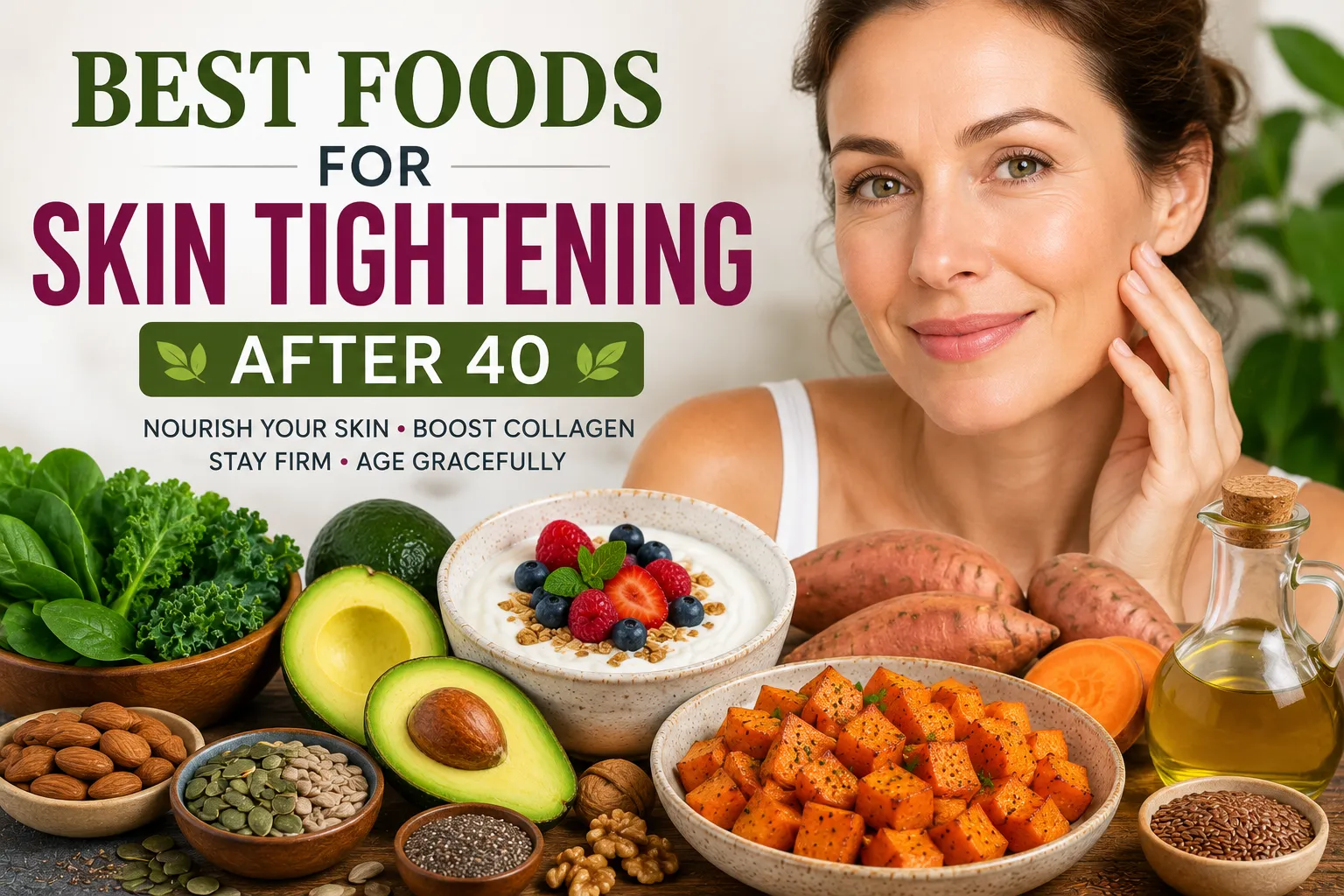
Best Foods for Skin Tightening After 40 can play an important role in supporting collagen production, skin elasticity, and healthy aging. As we get older, the skin naturally loses firmness due to reduced collagen and elastin levels. The good news is that certain nutrient-rich foods may help nourish the skin from within and support a firmer, healthier-looking appearance. In this article, we’ll explore the best foods that can help maintain skin health after 40.
1. Declining Collagen Production
Collagen is the protein responsible for keeping the skin firm and youthful. After the age of 40, the body’s collagen production decreases significantly, making the skin thinner and less resilient.
2. Reduced Elastin Levels
Elastin is another important protein that helps the skin stretch and bounce back. As elastin levels decline with age, the skin loses its ability to remain tight and firm.
3. Loss of Muscle Mass
Aging is often accompanied by a gradual loss of muscle mass. Since muscles help support the skin, reduced muscle tone can make loose skin more noticeable, especially around the face, neck, and arms.
4. Hormonal Changes
Hormonal changes, particularly during menopause in women, can affect collagen production and skin hydration. This may contribute to wrinkles, dryness, and sagging skin.
5. Years of Sun Exposure
Long-term exposure to ultraviolet (UV) rays can damage collagen and elastin fibers. This process, known as photoaging, is one of the leading causes of premature skin aging.
6. Poor Nutrition and Lifestyle Habits
A diet lacking protein, vitamin C, healthy fats, and antioxidants may reduce the body’s ability to maintain healthy skin. Smoking, excessive alcohol consumption, and poor sleep can also accelerate skin aging.
7. Weight Changes
Significant weight loss or repeated weight fluctuations can stretch the skin and reduce its ability to return to its original shape, making loose skin more visible.
Can Nutrition Help?
While no food can completely reverse aging, a diet rich in protein, vitamin C, omega-3 fatty acids, and antioxidants can help support collagen production, improve skin health, and promote a firmer, healthier appearance over time.
Why Does Skin Become Loose With Age?
As we age, our skin naturally loses some of its firmness and elasticity. This happens because the body gradually produces less collagen and elastin, two important proteins that help keep the skin tight, smooth, and youthful-looking.
Several factors contribute to loose skin after the age of 40:
1. Reduced Collagen Production
Collagen is the main structural protein in the skin. After the age of 25, collagen production begins to decline, and the process accelerates with age. Lower collagen levels can make the skin appear thinner and less firm.
2. Loss of Elastin
Elastin allows the skin to stretch and return to its original shape. As elastin levels decrease over time, the skin becomes less flexible and may start to sag.
3. Muscle Loss With Age
Age-related muscle loss can reduce the support beneath the skin, making loose skin more noticeable, especially around the face, neck, arms, and abdomen.
4. Sun Exposure
Years of exposure to ultraviolet (UV) rays can damage collagen and elastin fibers, leading to premature skin aging and reduced skin elasticity.
5. Poor Nutrition
A diet low in protein, vitamin C, healthy fats, and antioxidants may affect the body’s ability to maintain healthy skin and support collagen production.
6. Weight Fluctuations
Frequent weight gain and loss can stretch the skin over time, making it more difficult for the skin to regain its firmness.
7. Dehydration
Insufficient water intake can make the skin appear dry, less elastic, and more prone to fine lines and wrinkles.
The Good News
Although aging is a natural process, a nutrient-rich diet, regular exercise, proper hydration, quality sleep, and good skincare habits can help support skin health and improve its overall appearance. Certain foods rich in protein, vitamin C, omega-3 fatty acids, and antioxidants may help support collagen production and maintain healthier-looking skin as you age.
10 Best Foods for Skin Tightening After 40
1. Salmon
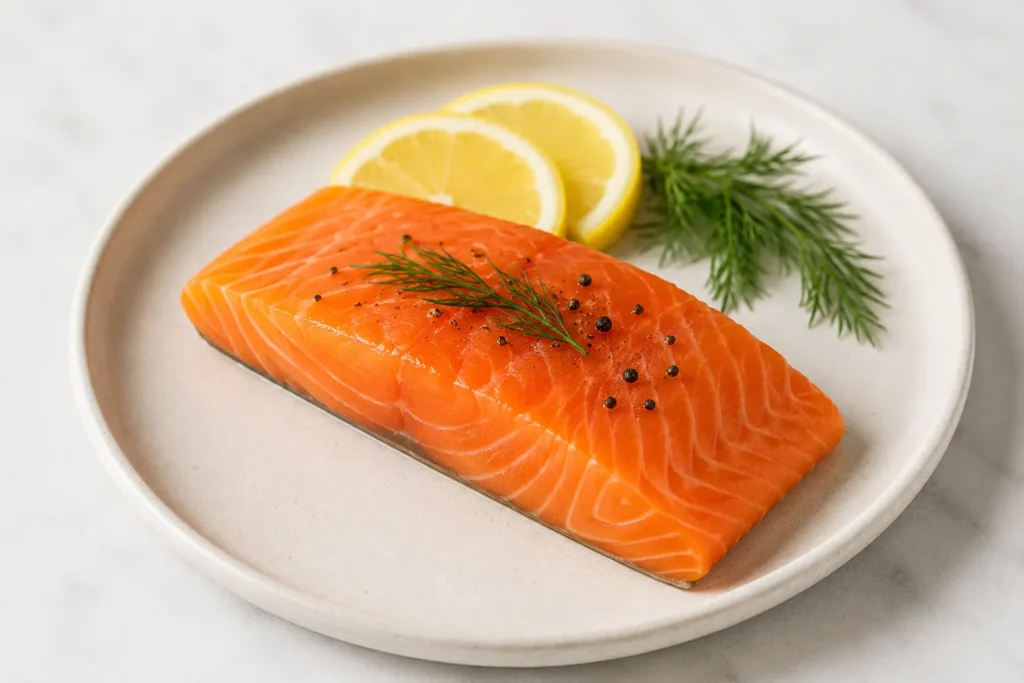
Salmon is one of the best foods for skin tightening after 40 because it contains omega-3 fatty acids and high-quality protein.
2. Eggs
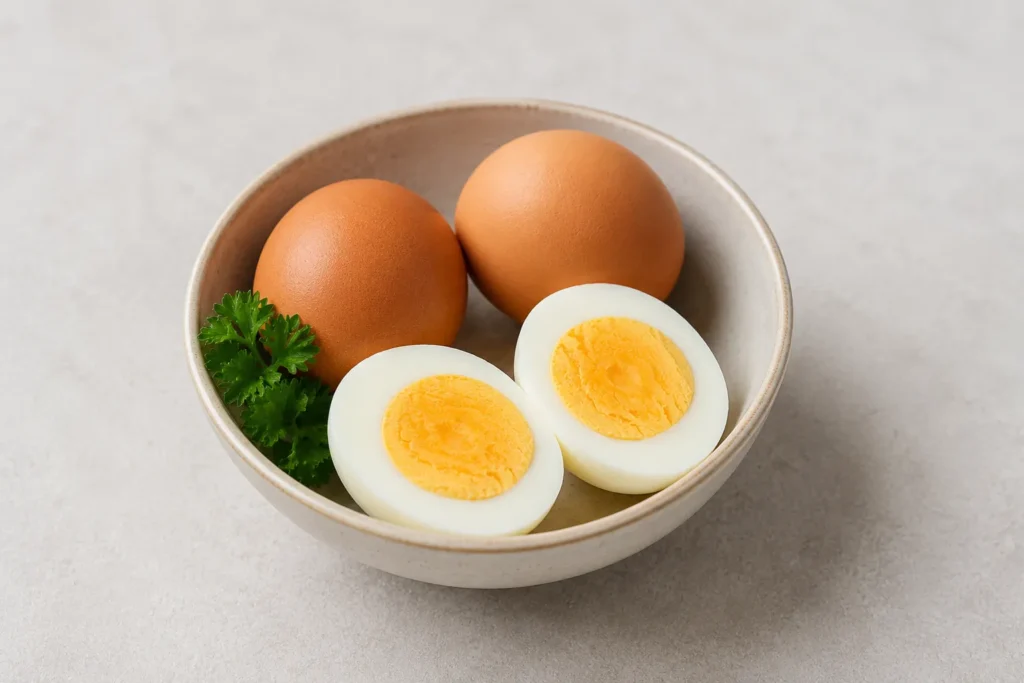
- Protein and amino acids
3. Citrus Fruits
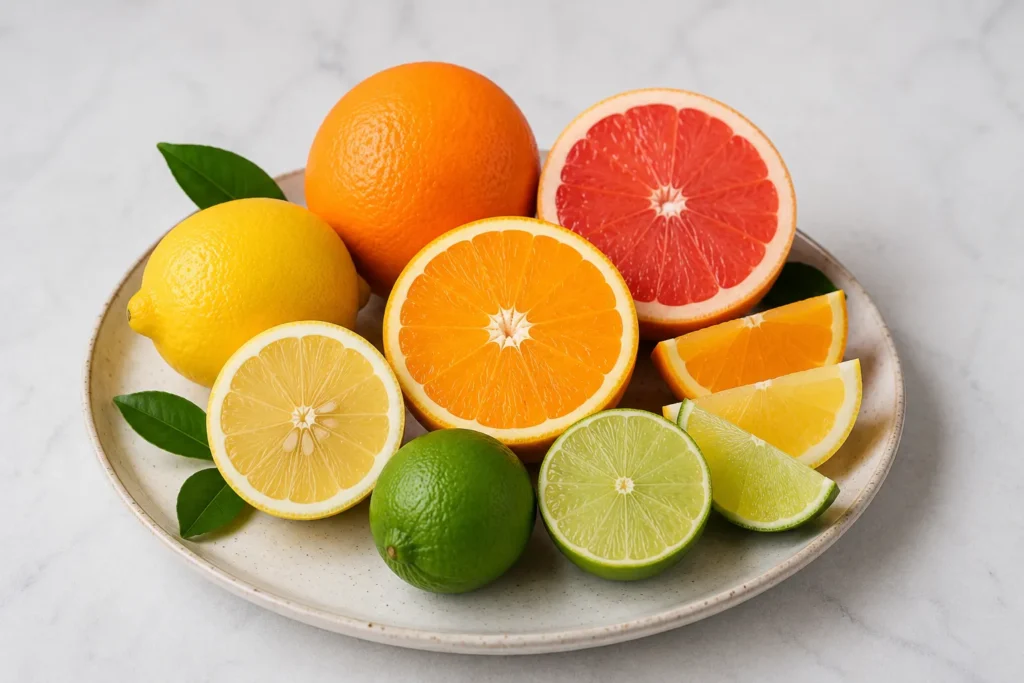
4. Berries
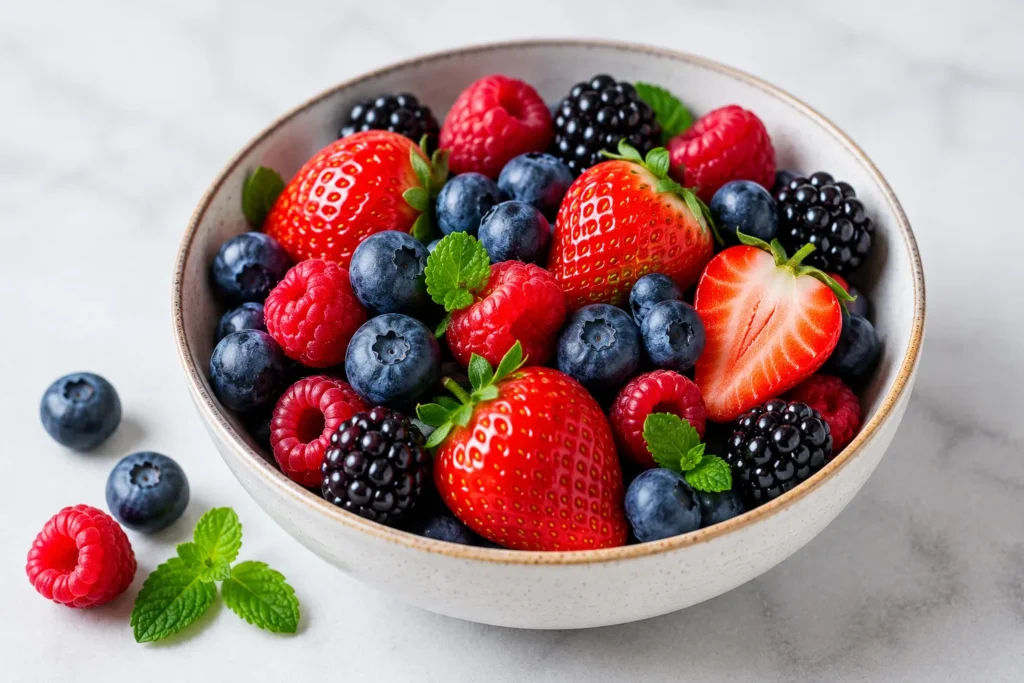
- Antioxidants
5. Bone Broth
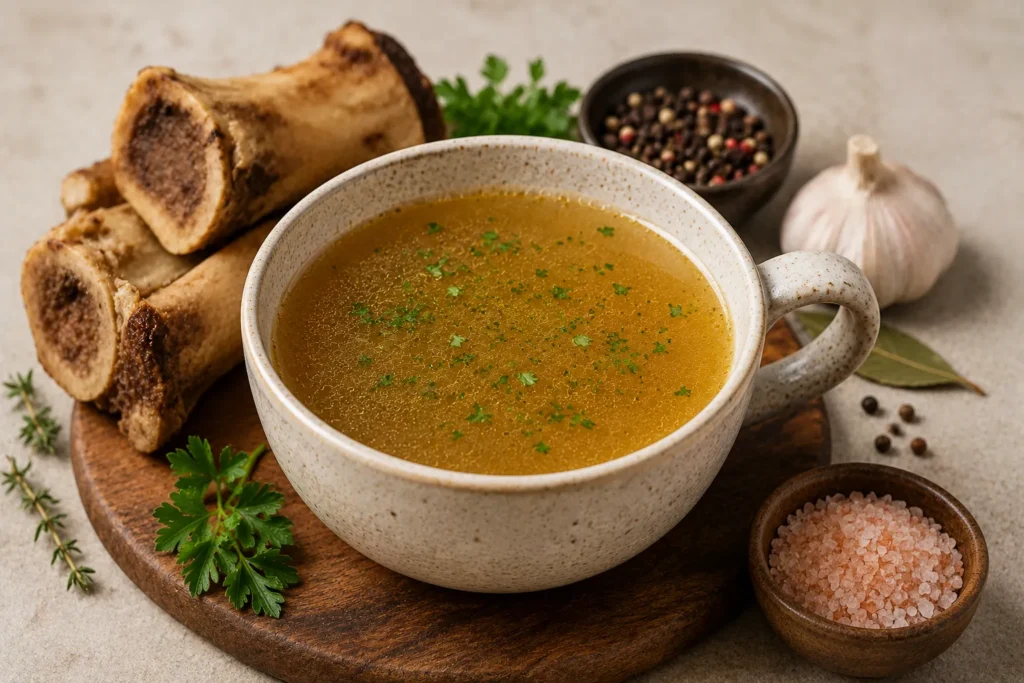
- Natural collagen source
6. Nuts and Seeds
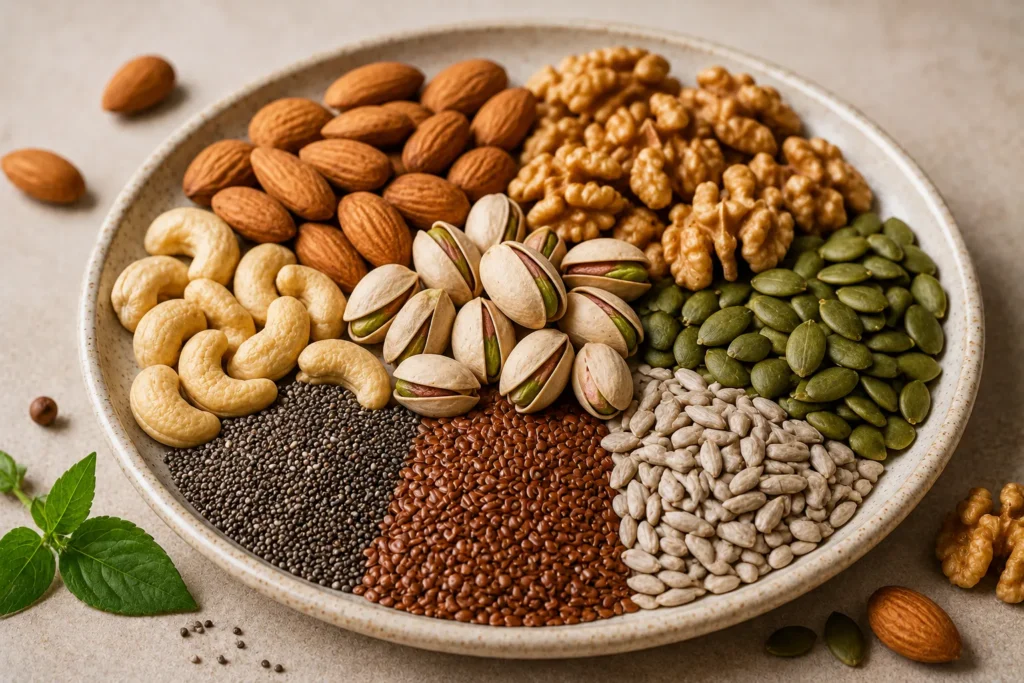
Nuts and seeds are among the best foods for skin tightening after 40 due to their healthy fats, vitamin E, and zinc.
- Vitamin E and healthy fats
Chia seeds are another nutrient-rich option that may support skin health and hydration.
Flax seeds provide omega-3 fatty acids and antioxidants that help support healthy aging.
7. Avocado
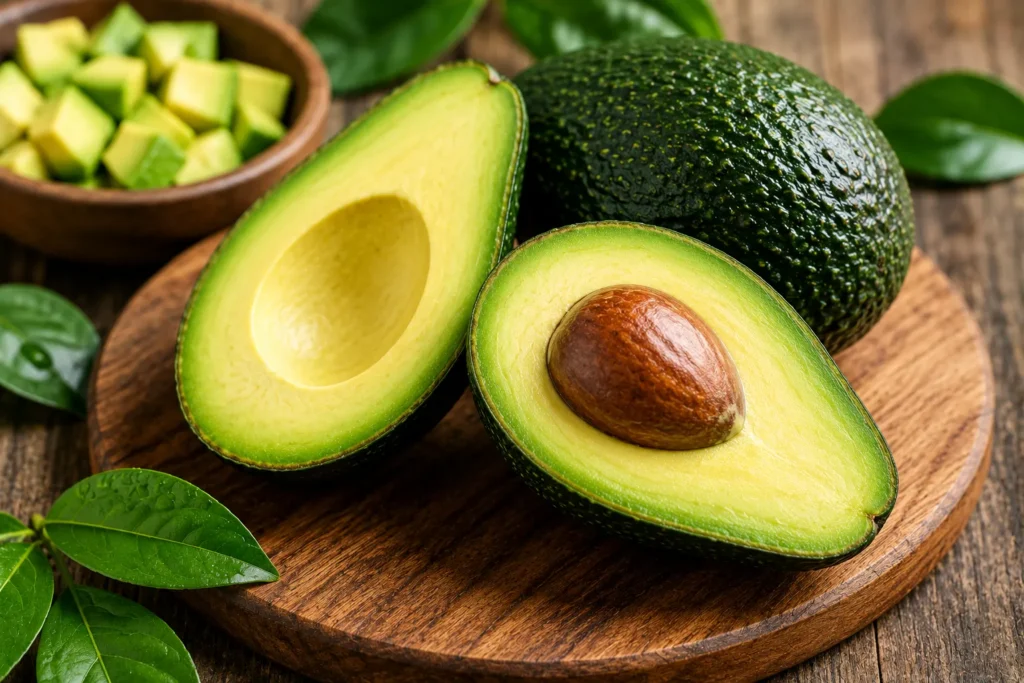
- Healthy fats for skin elasticity
8. Leafy Green Vegetables
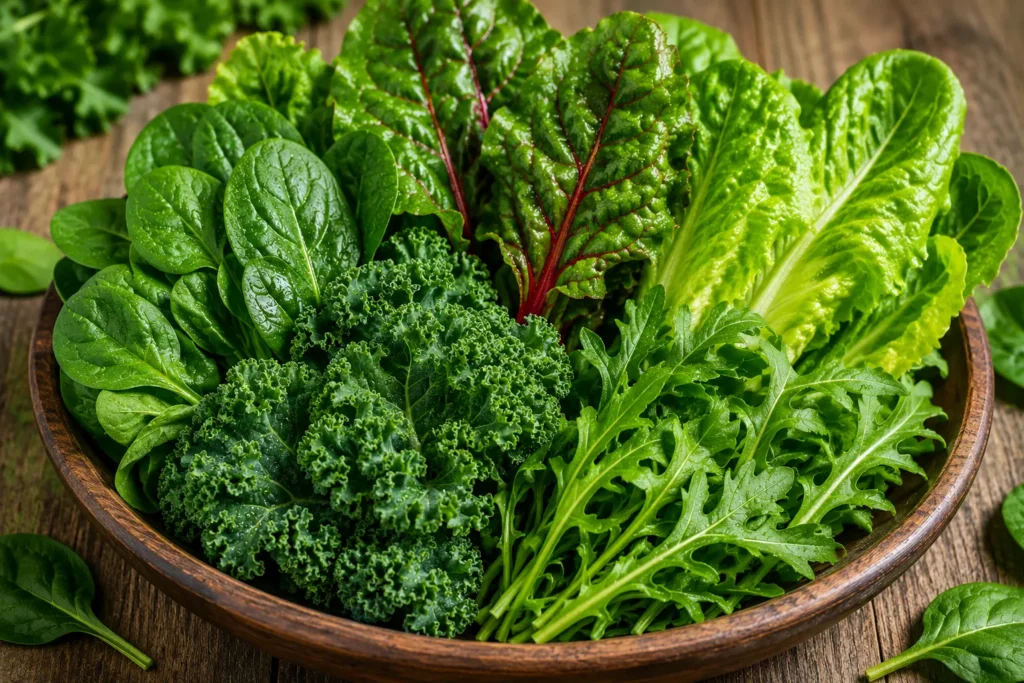
- Vitamins A, C, and K
9. Greek Yogurt
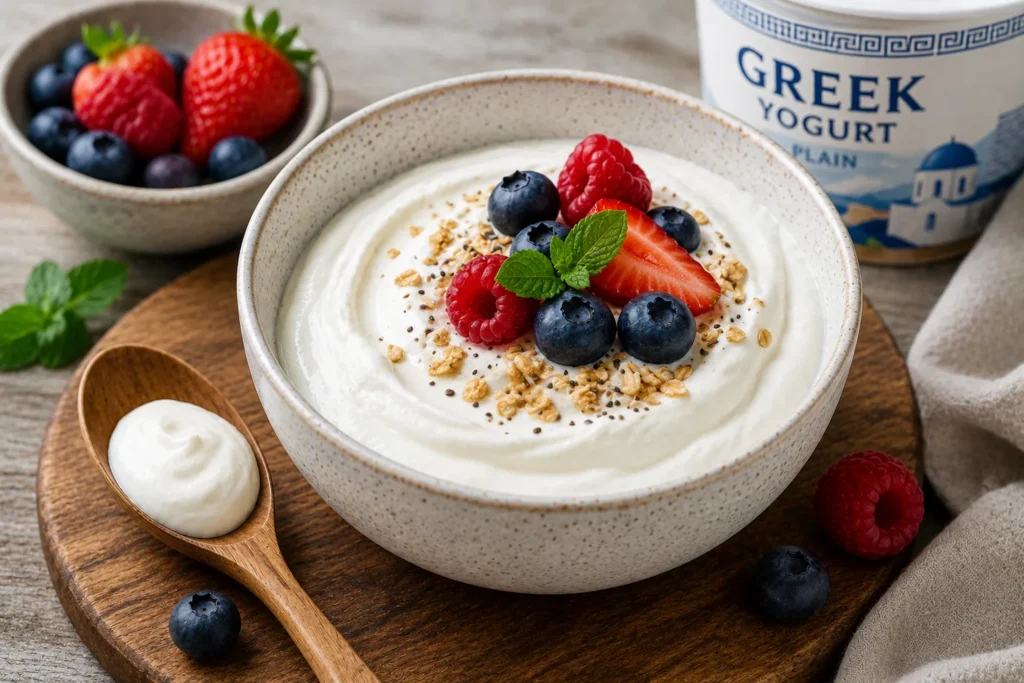
- Protein support
Protein-rich foods play an important role in collagen production and skin repair.
10. Sweet Potatoes
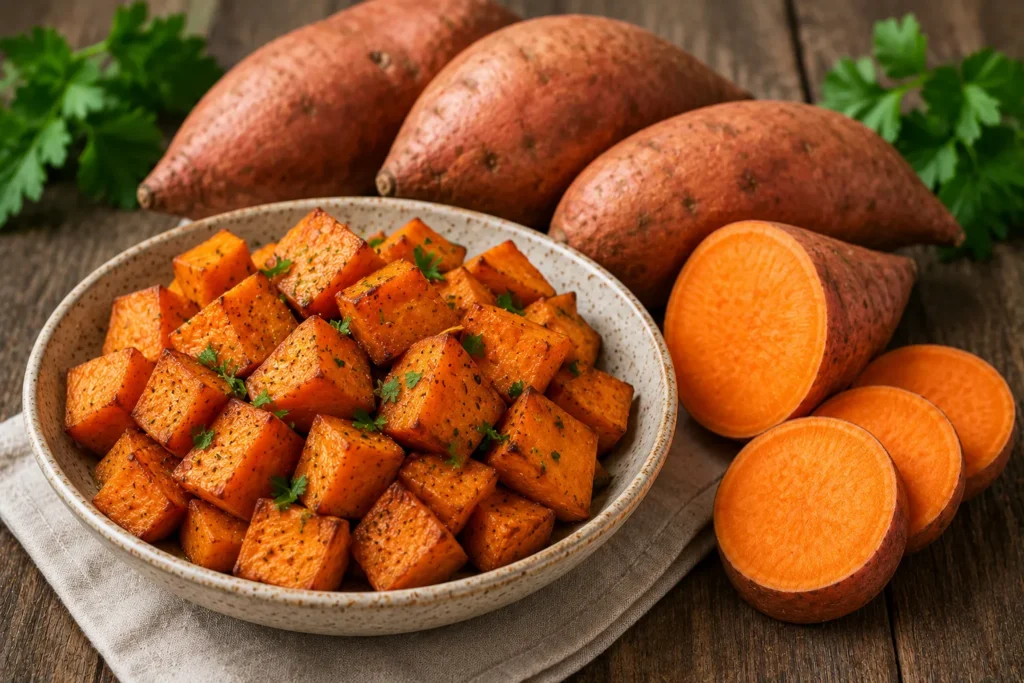
- Beta-carotene
Nutrients That Support Firmer Skin
- Protein 🥚
- Vitamin C 🍊
- Zinc 🧪
- Omega-3 🐟
- Collagen peptides 🧬
Foods That May Speed Up Skin Aging
- Excess sugar 🍬
- Ultra-processed foods 🍔
- Excess alcohol 🍷
Lifestyle Tips for Tighter-Looking Skin
- Hydration 💧
- Sleep 😴
- Exercise 🏃
- Sun protection ☀️
Frequently Asked Questions (FAQs)
1. Can food help tighten loose skin after 40?
While food cannot completely eliminate loose skin, a nutrient-rich diet can support collagen production, improve skin elasticity, and help maintain healthier-looking skin.
2. What are the best foods for skin tightening after 40?
Some of the best foods for skin tightening after 40 include salmon, eggs, citrus fruits, berries, bone broth, nuts, seeds, avocados, leafy green vegetables, Greek yogurt, and sweet potatoes.
3. Which nutrient is most important for skin elasticity?
Collagen-supporting nutrients such as protein, vitamin C, zinc, and omega-3 fatty acids play an important role in maintaining skin elasticity and firmness.
4. Can collagen-rich foods improve skin appearance?
Collagen-rich foods such as bone broth, fish, and protein-rich foods may help support the body’s natural collagen production and contribute to healthier-looking skin.
5. What foods should I avoid for healthier skin?
Limiting excess sugar, ultra-processed foods, and excessive alcohol consumption may help reduce factors that contribute to premature skin aging.
6. How much protein do I need for healthy skin?
Protein needs vary by age, activity level, and overall health. However, consuming adequate protein daily is important because collagen is made from amino acids found in protein-rich foods.
7. How long does it take to see improvements in skin health through nutrition?
Results vary from person to person. Consistently following a balanced diet, staying hydrated, exercising regularly, and getting enough sleep may help improve skin appearance over time.
8. Are these foods beneficial for both men and women?
Yes. The best foods for skin tightening after 40 can support skin health, collagen production, and healthy aging in both men and women.
9. Is hydration important for skin firmness?
Yes. Proper hydration helps maintain skin moisture, elasticity, and overall skin health, making it an important part of a healthy lifestyle.
10. Can nutrition alone reverse loose skin?
No. Nutrition can support skin health and collagen production, but factors such as age, genetics, weight changes, exercise, sleep, and sun protection also play important roles in skin appearance.
Conclusion
The best foods for skin tightening after 40 are those that support collagen production, skin elasticity, and overall skin health.
Nutrition alone cannot completely reverse loose skin, but a diet rich in protein, vitamin C, healthy fats, and antioxidants can help support collagen production and improve skin appearance over time.
Adding these best foods for skin tightening after 40 to your daily diet may help you maintain firmer and healthier-looking skin as you age.
Disclaimer
This article is for informational and educational purposes only and should not be considered medical advice. The information provided is not intended to diagnose, treat, cure, or prevent any disease or medical condition. Individual results may vary based on age, genetics, lifestyle, and overall health. Always consult a qualified healthcare professional or registered dietitian before making significant changes to your diet or health routine.

Healthy Meal Verse Team is passionate about creating easy, healthy, and delicious recipes for everyday life. Our goal is to help readers enjoy nutritious meals with simple ingredients and step-by-step instructions. Every recipe is carefully researched, tested, and written to provide practical cooking tips, nutrition information, and reliable guidance for home cooks of all skill levels. We believe healthy eating should be enjoyable, affordable, and accessible to everyone.