
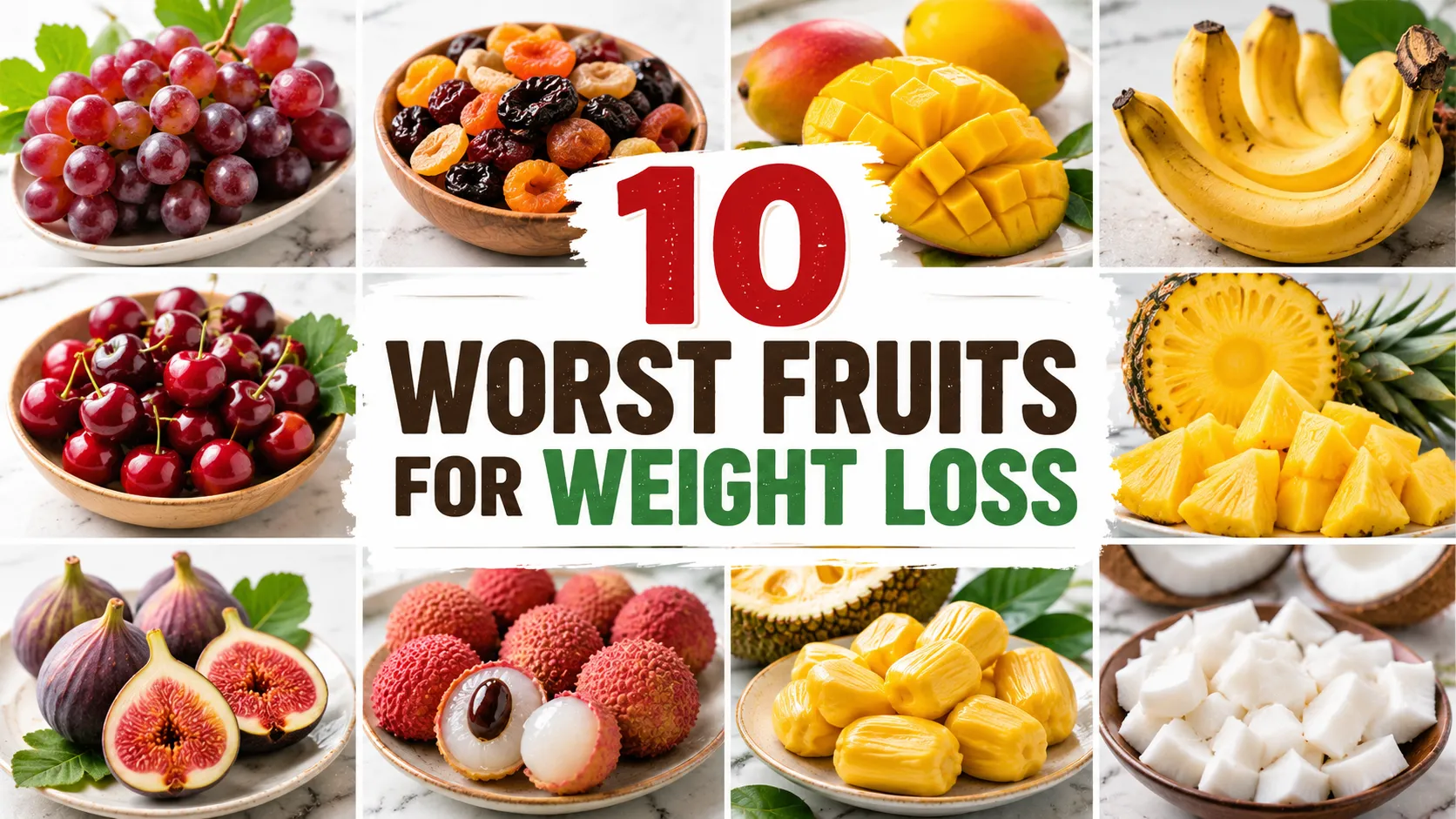
Introduction
If you are on a fitness journey, you likely believe that all fruits are equally beneficial. However, not all produce supports your goals. Some popular options are packed with hidden sugars and calories that can derail your progress. In this guide, we explore the 10 worst fruits for weight loss that you should limit or avoid, and explain how they might be sabotaging your results.
This doesn’t mean you need to completely avoid fruit. Instead, understanding which are the worst fruits for weight loss can help you make smarter choices and enjoy fruit in moderation. By selecting lower-calorie, fiber-rich options more often, you can better support your weight loss goals while still enjoying the nutritional benefits that fruits provide.
In this guide, you’ll discover the 10 worst fruits for weight loss, why they may slow your progress, and healthier alternatives you can choose instead.
Why Some Fruits May Not Be Ideal for Weight Loss:
Although fruits are nutritious, some contain higher amounts of natural sugar and calories than others. Fruits that are low in fiber and high in sugar may cause blood sugar levels to rise more quickly, potentially leading to increased hunger and cravings later. Dried fruits and fruit juices can be even more problematic because they provide concentrated calories in small portions.
The key to successful weight loss is portion control and choosing fruits that offer a good balance of fiber, water, and nutrients. Understanding which fruits are higher in calories can help you make better decisions without eliminating fruit from your diet completely.
#1: Grapes:
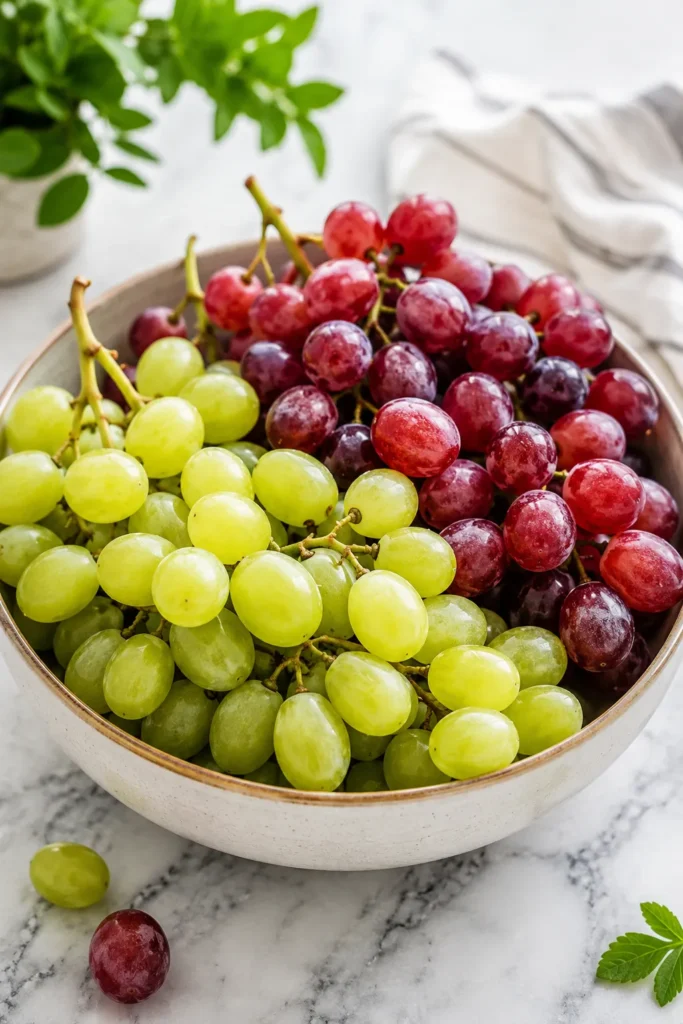
Grapes are delicious, refreshing, and packed with antioxidants, but they can be easy to overeat. Because grapes are small and naturally sweet, many people consume several servings without realizing how quickly the calories and sugar add up. A large bowl of grapes can contain a significant amount of natural sugar, which may make it harder to stay within your daily calorie goals.
While grapes can still be part of a healthy diet, they may not be the best choice for weight loss when eaten in large quantities. Portion control is important if you’re trying to reduce calorie intake and manage cravings.
Why They May Slow Weight Loss:
- Higher natural sugar content than many berries
- Easy to overeat due to their small size
- Calories can add up quickly in large portions
Better Alternative:
✅ Strawberries – Lower in calories, rich in fiber, and highly satisfying for fewer calories.
Weight Loss Tip:
If you enjoy grapes, stick to a small serving size and pair them with a protein source such as Greek yogurt to help increase fullness.
If you’re serious about weight management, using a digital food scale can help you measure fruit portions more accurately and avoid overeating.
Amazon Product
#2. Dried Fruits:
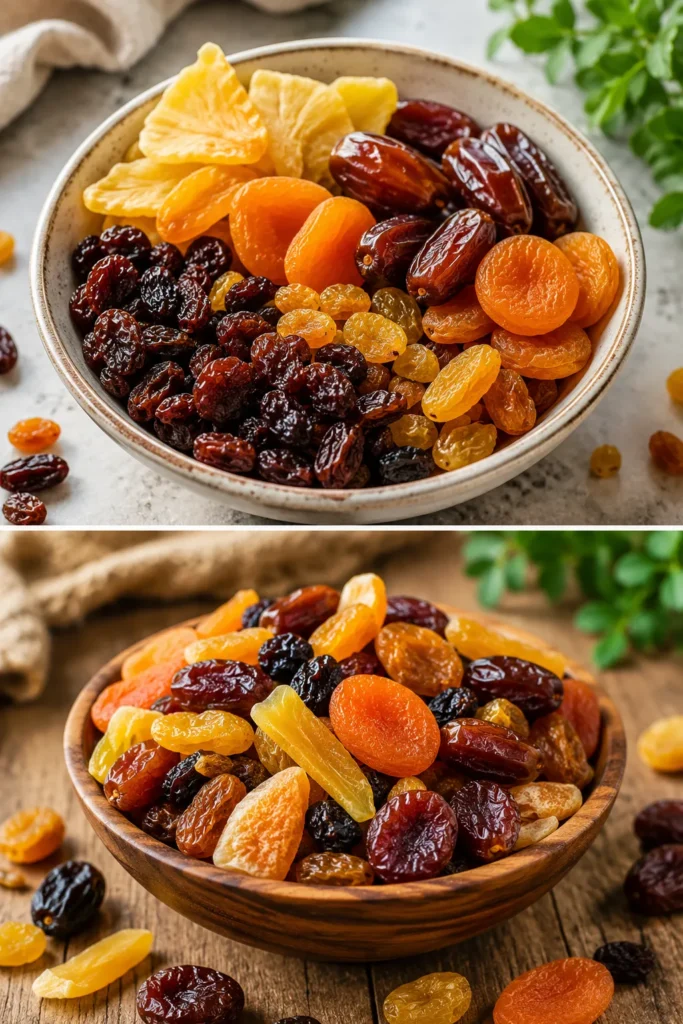
Dried fruits such as raisins, dates, dried mangoes, and dried apricots may seem healthy, but they can be surprisingly high in calories and natural sugars. During the drying process, water is removed, making the fruit much smaller and more concentrated. As a result, it’s easy to eat several servings without realizing it.
Because dried fruits are calorie-dense, they may slow weight loss when consumed frequently or in large amounts. Many packaged dried fruits also contain added sugar, which further increases their calorie content.
Why They May Slow Weight Loss:
- High in natural sugar and calories
- Easy to overeat due to small serving sizes
- Some varieties contain added sugar
Better Alternative:
✅ Fresh Apples – Lower in calorie density, rich in fiber, and more filling because of their water content.
Weight Loss Tip:
If you enjoy dried fruit, keep portions small and choose unsweetened varieties with no added sugar.
Preparing fruit in advance with meal prep containers helps reduce unhealthy snacking.
Amazon Product: Meal Prep Containers
#3. Mangoes:
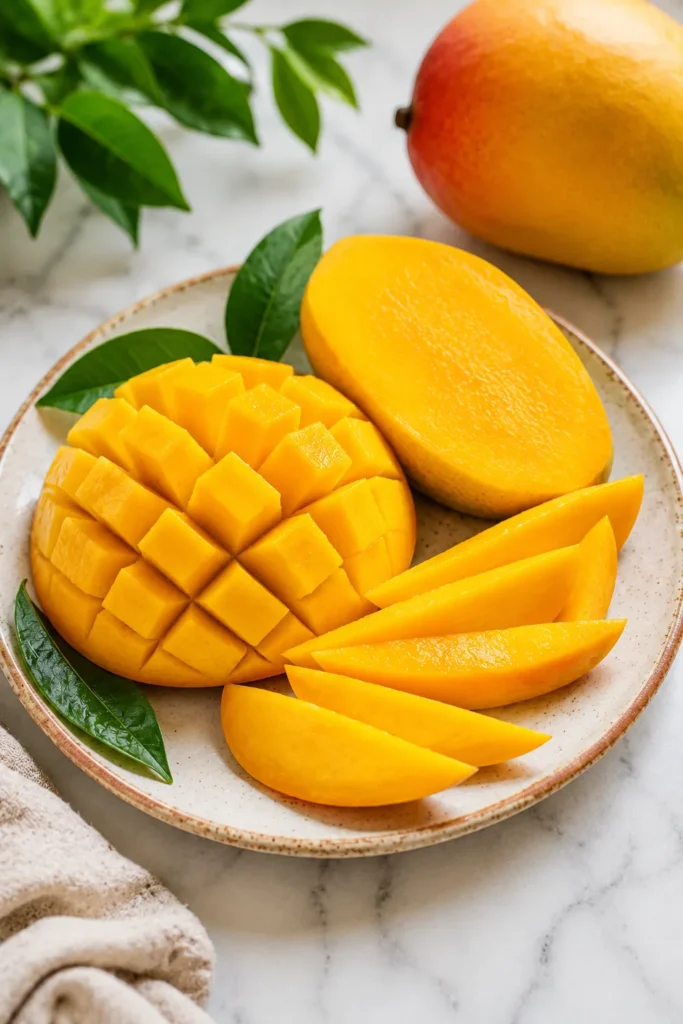
Mangoes are sweet, juicy, and packed with vitamins, but they are also one of the higher-sugar fruits. A large mango can contain a significant amount of natural sugar and calories, which may make it more difficult to stay within your daily calorie goals if consumed frequently.
While mangoes offer important nutrients such as vitamin C and antioxidants, portion control is essential when trying to lose weight. Eating large amounts of mango regularly can increase calorie intake more quickly than lower-sugar fruits.
Why They May Slow Weight Loss:
- Higher in natural sugar than many fruits
- Can be calorie-dense in large portions
- Easy to overeat because of their sweet taste
Better Alternative:
✅ Berries – Lower in sugar, lower in calories, and rich in fiber.
Weight Loss Tip:
Enjoy mango in moderation and pair it with a protein source such as Greek yogurt to help improve satiety.
Portion control containers make it easier to enjoy fruit without accidentally eating oversized servings.
Amazon Product: Portion Control Containers
#4. Bananas:
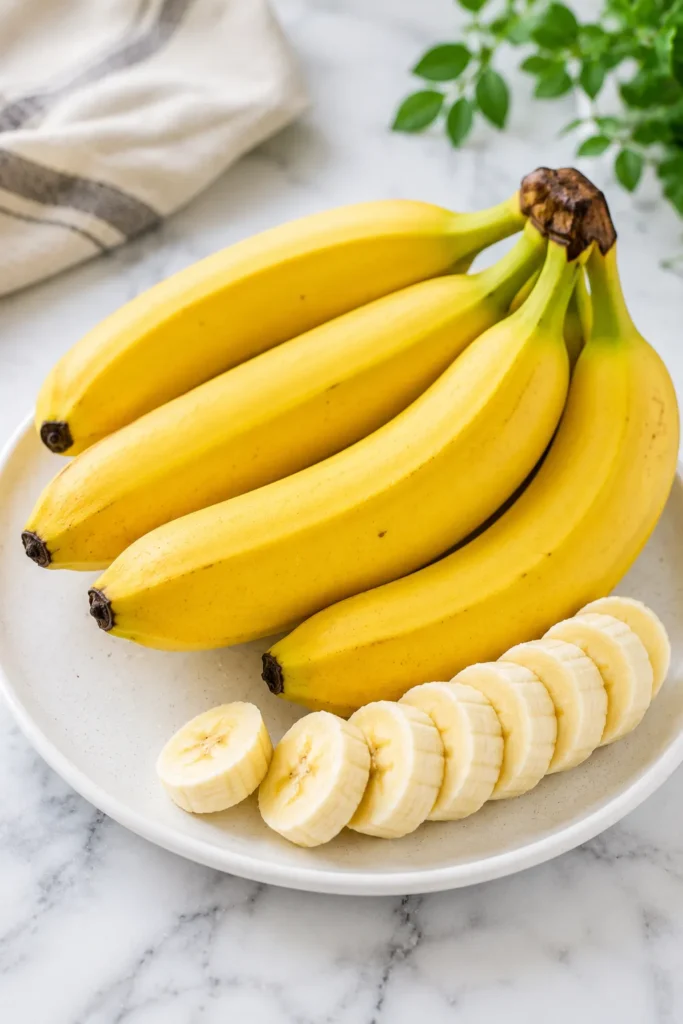
Bananas are one of the most popular fruits in the world and provide important nutrients such as potassium, vitamin B6, and fiber. However, compared to many berries and low-calorie fruits, bananas contain more calories and natural sugar, especially when fully ripe.
While bananas can be part of a healthy diet, eating large bananas frequently may increase your daily calorie intake. This is why they are sometimes included among the worst fruits for weight loss when portion control is not considered.
Why They May Slow Weight Loss:
- Higher in calories than many fruits
- Contain more natural sugar than berries
- Easy to consume quickly without feeling full
Better Alternative:
✅ Raspberries – Lower in calories, high in fiber, and more filling per serving.
Weight Loss Tip:
Choose a small banana instead of a large one and pair it with protein, such as Greek yogurt or a handful of nuts, to help stay satisfied longer.
#5. Cherries:
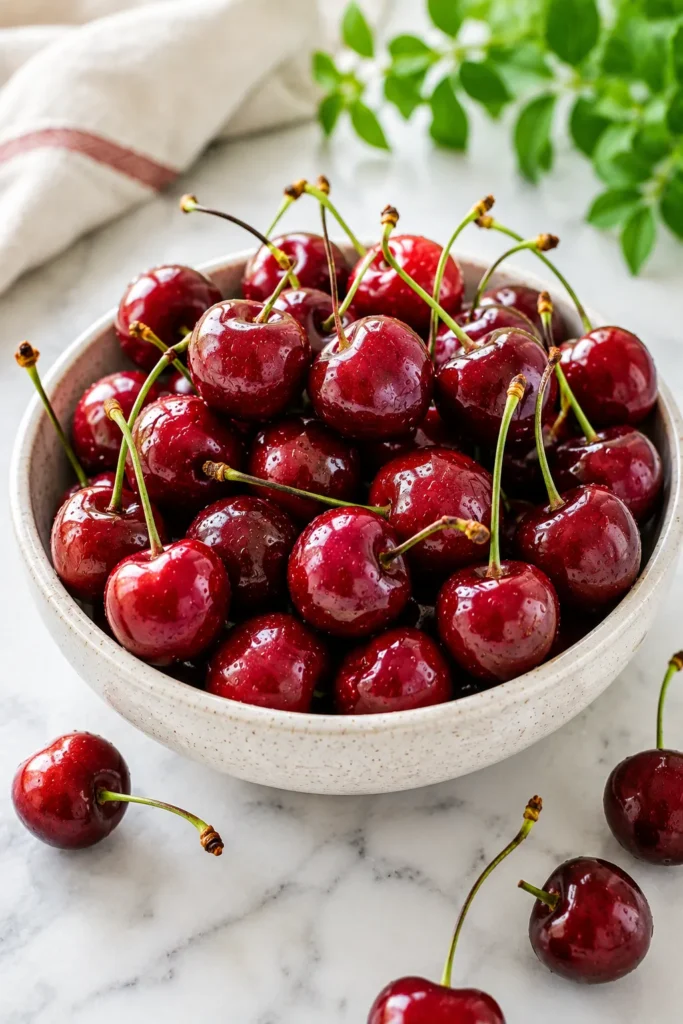
Cherries are packed with antioxidants, vitamins, and beneficial plant compounds. However, they also contain more natural sugar than many low-calorie fruits. Because cherries are small and easy to snack on, it’s common to eat several servings without realizing how many calories and carbohydrates you’re consuming.
While cherries can certainly fit into a healthy diet, people trying to lose weight may benefit from limiting portion sizes and choosing lower-sugar fruits more often.
Why They May Slow Weight Loss:
- Higher natural sugar content than many berries
- Easy to overeat because of their small size
- Calories can add up quickly when consumed in large amounts
Better Alternative:
✅ Blackberries – Lower in sugar, rich in fiber, and more filling per serving.
Weight Loss Tip:
Enjoy cherries in moderation and combine them with a source of protein, such as Greek yogurt, to help improve fullness and reduce cravings.
#6. Pineapple:
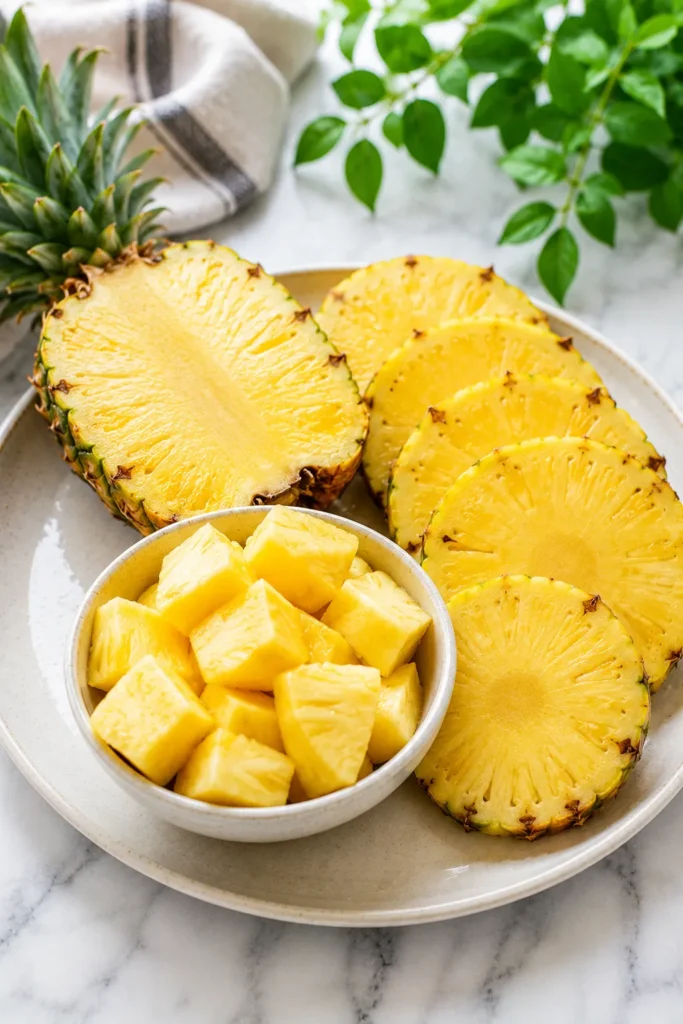
Pineapple is a tropical fruit rich in vitamin C, antioxidants, and bromelain, an enzyme that supports digestion. However, pineapple is also relatively high in natural sugar compared to many lower-calorie fruits. Because of its sweet taste, it’s easy to eat large portions, which can quickly increase calorie intake.
While pineapple can be part of a balanced diet, people focused on weight loss may benefit from limiting portion sizes and choosing fruits with more fiber and fewer sugars.
Why It May Slow Weight Loss:
- Higher natural sugar content than many berries
- Easy to consume in large portions
- Contains fewer filling fibers than some other fruits
Better Alternative:
✅ Strawberries – Lower in calories, lower in sugar, and rich in fiber.
Weight Loss Tip:
Stick to a moderate serving size and avoid canned pineapple packed in syrup, which contains added sugars and extra calories.
#7. Figs (Fresh or Dried):
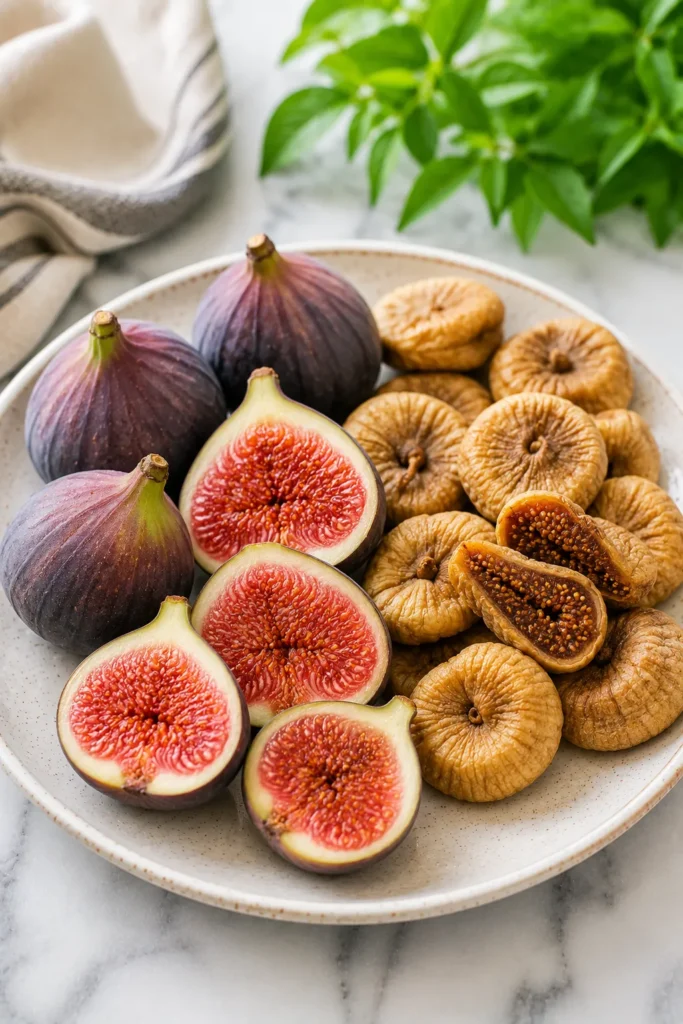
Figs are naturally sweet fruits that provide fiber, antioxidants, and several important minerals. However, they are also relatively high in natural sugar. Dried figs are even more concentrated because the water has been removed, making them much higher in calories per serving.
While fresh figs can be enjoyed occasionally, dried figs can quickly increase calorie intake if eaten in large amounts. This makes them a fruit that people trying to lose weight may want to consume in moderation.
Why They May Slow Weight Loss:
- High in natural sugar
- Dried figs are calorie-dense
- Easy to overeat because of their sweet taste
Better Alternative:
✅ Blueberries – Lower in calories, lower in sugar, and packed with antioxidants.
Weight Loss Tip:
Choose fresh figs over dried figs whenever possible and pay close attention to portion sizes.
#8. Lychee:

Lychee is a sweet tropical fruit known for its juicy texture and refreshing flavor. While it contains vitamin C and antioxidants, it is also relatively high in natural sugar compared to many weight-loss-friendly fruits. Because lychees are small and easy to eat, it can be difficult to control portion sizes.
Eating large amounts of lychee may increase your overall calorie and sugar intake, which can make maintaining a calorie deficit more challenging.
Why It May Slow Weight Loss:
- High natural sugar content
- Easy to eat multiple servings quickly
- Less filling than higher-fiber fruits
Better Alternative:
✅ Raspberries – Lower in sugar, higher in fiber, and more filling.
Weight Loss Tip:
Enjoy lychee as an occasional treat and combine it with protein-rich foods to help balance blood sugar levels and increase satiety.
#9. Jackfruit:
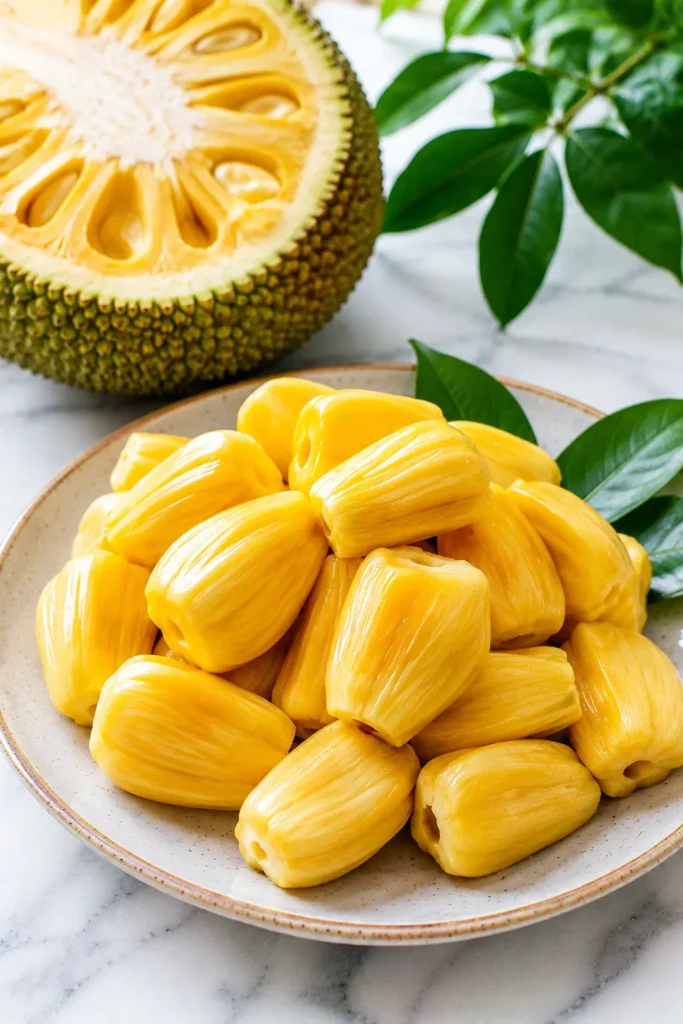
Jackfruit is a tropical fruit known for its sweet flavor and unique texture. While it contains vitamin C, potassium, and antioxidants, it is also relatively high in carbohydrates and natural sugars compared to many weight-loss-friendly fruits.
Because jackfruit is naturally sweet and satisfying, it’s easy to consume large portions. Eating too much jackfruit may increase your daily calorie intake, making it harder to maintain the calorie deficit needed for weight loss.
Why It May Slow Weight Loss:
- Higher in carbohydrates than many fruits
- Contains a significant amount of natural sugar
- Large portions can quickly increase calorie intake
Better Alternative:
✅ Strawberries – Lower in calories, lower in sugar, and rich in fiber.
Weight Loss Tip:
Enjoy jackfruit in moderation and focus on portion control to prevent excess calorie consumption.
#10. Coconut (Fresh Coconut Meat):
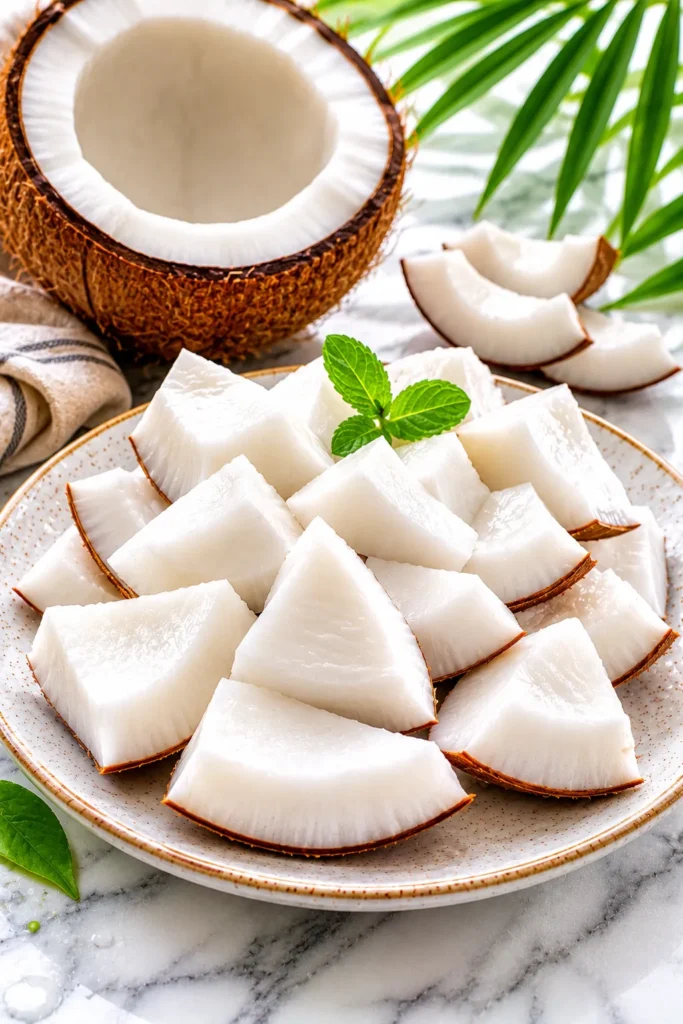
Fresh coconut meat is rich in healthy fats, fiber, and important minerals such as manganese and copper. However, compared to most fruits, coconut is significantly higher in calories and fat. While these fats can be beneficial in moderation, consuming large amounts may make it more difficult to maintain the calorie deficit required for weight loss.
Because coconut is calorie-dense, even small portions can contribute a substantial number of calories. This is why it is often considered one of the worst fruits for weight loss when eaten frequently or in large quantities.
Why It May Slow Weight Loss:
- Much higher in calories than most fruits
- Rich in fat, which increases calorie density
- Easy to exceed daily calorie goals with large portions
Better Alternative:
✅ Watermelon – Lower in calories, high in water content, and more weight-loss-friendly.
Weight Loss Tip:
Enjoy fresh coconut meat in small portions and balance it with lower-calorie fruits throughout the day.
Healthier Fruit Choices for Weight Loss
Not all fruits are problematic for weight loss. In fact, many fruits are low in calories, high in fiber, and packed with nutrients that can help you stay full and satisfied. Choosing these fruits more often can make it easier to maintain a calorie deficit while still enjoying naturally sweet foods.
Here are some of the best fruits for weight loss:
🍓 Strawberries
Strawberries are low in calories and high in fiber, making them an excellent choice for weight management. They are also rich in vitamin C and antioxidants that support overall health.
🫐 Blueberries
Blueberries provide antioxidants and fiber while remaining relatively low in calories. They can satisfy sweet cravings without adding excessive sugar to your diet.
🍇 Raspberries
Raspberries are among the highest-fiber fruits available. Their fiber content helps promote fullness and may reduce hunger between meals.
🍉 Watermelon
Watermelon contains a high percentage of water, which helps keep you hydrated and full while providing very few calories per serving.
🍏 Apples
Apples are rich in fiber and water, making them one of the most filling fruits. Eating a whole apple can help reduce appetite and support healthy weight loss.
🍐 Pears
Pears contain plenty of fiber and are naturally sweet. They can help improve satiety and reduce unnecessary snacking.
🥝 Kiwi
Kiwi is nutrient-dense, low in calories, and provides fiber that supports digestion and appetite control.
🍊 Oranges
Oranges are high in vitamin C and fiber while being relatively low in calories. Whole oranges are much more filling than fruit juice.
Tips for Choosing Fruits for Weight Loss
- Prioritize fruits that are high in fiber and water.
- Watch portion sizes, especially for sweeter fruits.
- Choose whole fruits instead of fruit juices.
- Pair fruit with protein sources like Greek yogurt or nuts for better satiety.
- Enjoy a variety of fruits to get different vitamins and minerals.
By focusing on nutrient-dense, lower-calorie fruits, you can enjoy the health benefits of fruit while supporting your weight loss goals. 💚🍓🍏🍉
You May Also Like:
External Links (Authority Sources)
- CDC Healthy Weight Resources
- Mayo Clinic Nutrition and Healthy Eating
- Harvard T.H. Chan School of Public Health Nutrition Source
Frequently Asked Questions (FAQ)
1. What are the worst fruits for weight loss?
Some fruits that are often considered the worst fruits for weight loss include grapes, dried fruits, mangoes, bananas, cherries, pineapple, figs, lychee, jackfruit, and coconut. These fruits tend to be higher in natural sugar, calories, or carbohydrates than many other fruits.
2. Should I avoid fruit completely when trying to lose weight?
No. Fruits provide important vitamins, minerals, fiber, and antioxidants. The key is choosing lower-calorie, high-fiber fruits more often and controlling portion sizes of higher-sugar fruits.
3. Which fruits are best for weight loss?
Some of the best fruits for weight loss include strawberries, raspberries, blueberries, apples, pears, kiwi, oranges, and watermelon. These fruits are generally lower in calories and higher in fiber.
4. Are bananas bad for weight loss?
Bananas are not bad for weight loss, but they contain more calories and natural sugar than many berries. Eating bananas in moderation can still fit into a healthy weight loss plan.
5. Are dried fruits healthy for weight loss?
Dried fruits contain valuable nutrients, but they are more calorie-dense than fresh fruits because the water has been removed. For weight loss, it’s best to enjoy dried fruits in small portions and choose unsweetened varieties.
Final Thoughts
When it comes to weight loss, no fruit is truly “bad.” However, some fruits are higher in natural sugar, calories, or carbohydrates, making them easier to overconsume. Understanding the worst fruits for weight loss can help you make smarter choices and manage your daily calorie intake more effectively.
The key is moderation. Fruits like grapes, dried fruits, mangoes, bananas, cherries, pineapple, figs, lychee, jackfruit, and coconut can still be part of a healthy diet when eaten in appropriate portions. Instead of eliminating them completely, focus on balancing your fruit intake with lower-calorie, high-fiber options such as berries, apples, pears, and watermelon.
Remember that successful weight loss depends on your overall eating habits, calorie balance, physical activity, and consistency over time. By choosing nutrient-dense foods and practicing portion control, you can enjoy fruit while continuing to make progress toward your weight loss goals.
Small, sustainable changes often lead to the best long-term results. Focus on building healthy habits, and you’ll be more likely to achieve and maintain a healthy weight. 🍎💚🏆
MORE ARTICLES FOR WEIGHT LOSS


Healthy Meal Verse Team is passionate about creating easy, healthy, and delicious recipes for everyday life. Our goal is to help readers enjoy nutritious meals with simple ingredients and step-by-step instructions. Every recipe is carefully researched, tested, and written to provide practical cooking tips, nutrition information, and reliable guidance for home cooks of all skill levels. We believe healthy eating should be enjoyable, affordable, and accessible to everyone.